
What was the Curriculum Assessment Review about?
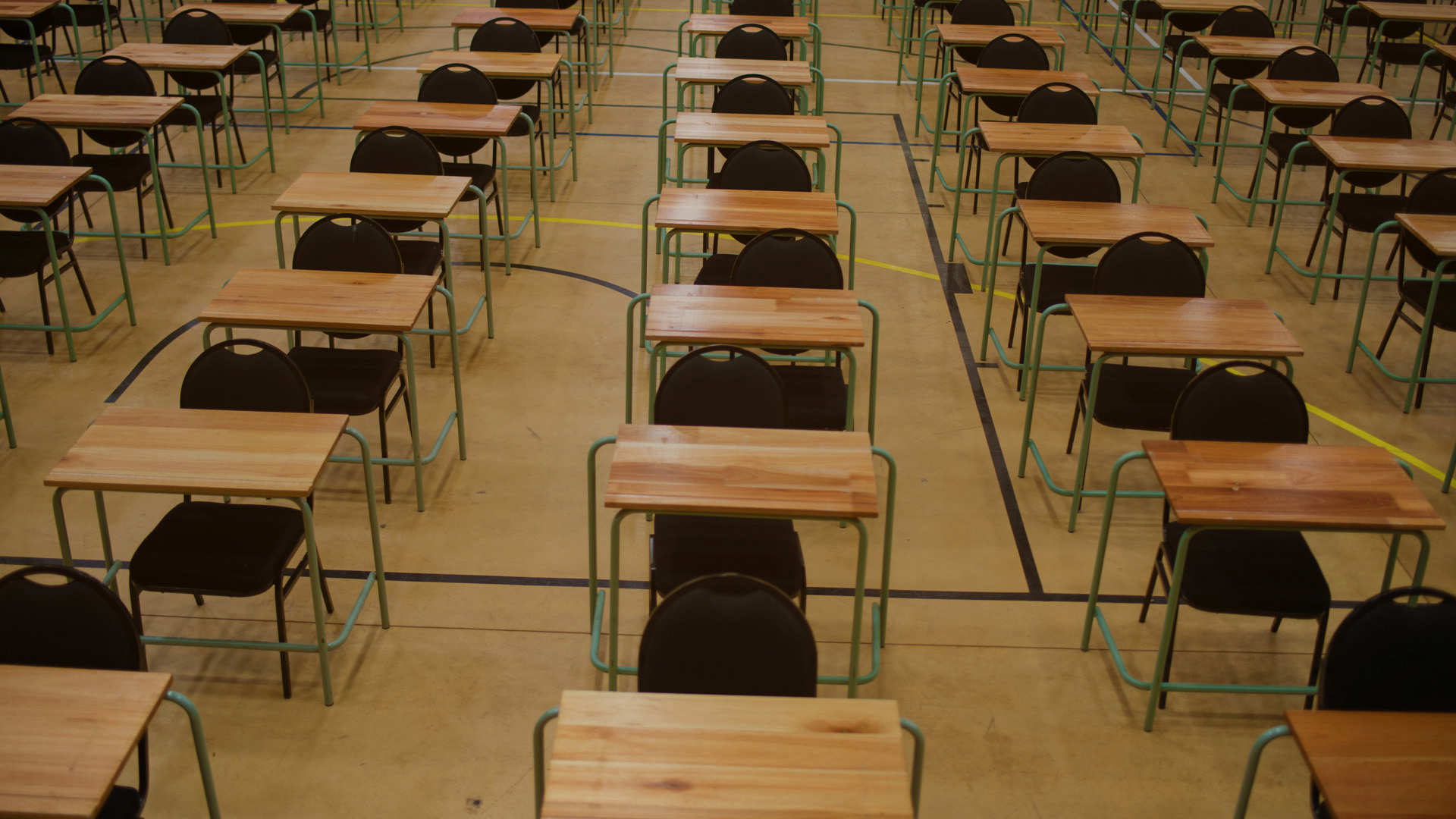
In 2024, the Government commissioned an independent review called the Curriculum and Assessment Review into the UK’s education system. We know that the education system, including the volume of assessments and exams have negative impacts of young people’s mental health. GCSE students were sitting an average of 31.5 hours of exams in a month – that’s more than students in many similar education systems around the world.
This was a huge opportunity to revise the education and exam system.
Working hand in hand with Youth Activists, we urged the Government End SATs and Reform GCSEs and A-Levels by reducing the burden of exams and introducing fairer mixed assessments.

What the Review recommended and what it means for you
In November 2025, the final report for the Curriculum and Assessment Review was released. To be honest, the recommendations didn’t meet the ambition we had for change. But it did recommend some real and needed changes to our education system.
Recommendations
The Review came to the conclusion that the UK’s general assessment structure (including GCSEs and SATs) is working well. However, they did agree that exams were too long and recommended they be reduced by 10 percent – from an average of three hours to two and a half.
So while SATs and GCSEs will remain in place, they might be shorter.
During the campaign, YoungMind’s Activist Katie shared her experience with GCSEs and the pressure of five years of school coming down to just a few exams. It was stories like Katie’s that YoungMinds campaigners made sure the Review heard; and why we called for an increase in the use of mixed assessments, such as course work, where young people can showcase their skills and knowledge outside of an exam. Unfortunately, this call to action was not taken up by the Review.
Education is best when it reflects young people's real worlds. The Review felt the same way and recommended several changes to the UK’s curriculum. In future:
- there’ll be a greater focus on climate and sustainability in geography, design and technology
- history teaching will increasingly reflect the diversity of British history, including Black British and Asian history
- media literacy skills will become part of school subjects, teaching children about online safety and how to identify misinformation
We fully agree with the Review when it said:
The national curriculum is for all our children and young people, and they should feel both included in it and represented by it.
YoungMind’s Reflections on the Review Outcomes
We’re disappointed that the Review didn’t take up the call to action from young people, their families and teachers up and down the country to end SATs and introduce mixed assessment methods, but we’re glad to see real changes to the curriculum.
Remember, change doesn’t happen overnight. With every campaign we continue to make sure that the mental health crisis faced by young people remains firmly on the agenda.
And with every campaign, we get a little closer to changing the system.
Our campaigns put young people at the centre and without their input and involvement, we wouldn’t have had the impact we had.