
Like many parents, I knew social media might influence my kids. I’m the mother of a 16-year-old boy and a 14-year-old girl, and I had felt anxious about the ways social media might impact their mental health.
Before they hit their teenage years, I was more worried about my daughter - I was a teenager in the early 2000s and remembered just how hard it was to grow up in an environment where women’s bodies were always under scrutiny. Social media felt like that was magnified even more.
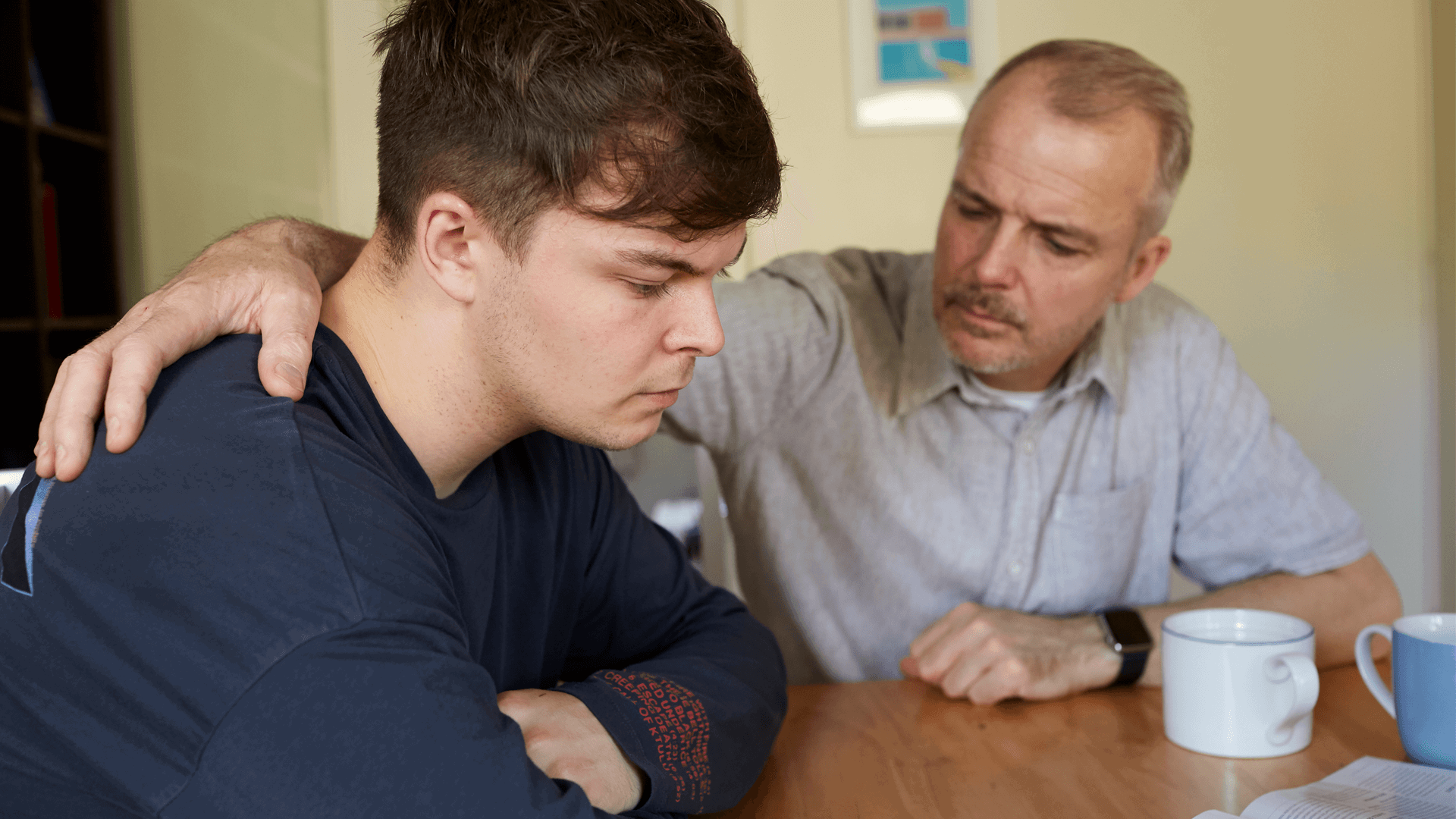
In the end, social media has actually had a far worse effect on my son through his engagement with ‘Manosphere’ or ‘red pill’ content.
This is not something I’d heard about until it happened to me, so I was pleased to see the Louis Theroux documentary earlier this year as I hoped other parents would learn more about this kind of content.
But my ignorance meant I wasn’t able to see what was happening at first.
My ignorance meant I wasn’t able to see what was happening at first
Spotting the signs
Looking back, I think it happened quite slowly, and the first thing was that I noticed small changes in the way my son was talking about girls and relationships. At first I thought this was because he wasn’t ready for a relationship yet and was reacting against that, but I began to notice that he was making more disparaging comments about women.
He’d talk about how women only wanted certain types of men, that men had to look a certain way to appeal to women, and that boys and men had "no chance" in our society. This obviously started to worry me.
At first I put my head in the sand a bit, because I thought I’d taught him well enough that he knew these ideas weren't really true. I also put some of it down to typical teenage frustration about not having a girlfriend. My son has always struggled with severe anxiety, so I assumed he was looking for an explanation for why he found social situations and relationships so difficult.
I put my head in the sand a bit

Toxic online media
It was only after we went away on holiday, and I saw what he was watching on his phone, that I realised these ideas were coming from videos and online content. These were normally podcasts or YouTube videos where young men would talk confidently about their wealth, their relationships, and most of all about women and the various 'red flags' they might have.
At first I was horrified and actually very angry with him. I felt like I hadn’t brought him up to hold these kinds of ideals.
But when I spent some time watching the videos myself, I did start to understand what he was getting from them. The men in the videos were so confident and seemed to have the answers for everything. They explained why young men might be struggling and why things like friendships, dating and general life felt so hard. I began to see how my very anxious son might latch on to these very certain men.
I realised that if I just told my son he wasn't allowed to watch this content anymore, it probably wouldn't achieve very much. These videos had become a source of reassurance for him, even if that reassurance was built on unhealthy ideas about women and relationships.
Starting conversations instead of arguments
In the beginning, I also tried to challenge what he was saying or ‘debate’ him. We'd end up arguing, and afterwards neither of us felt we'd achieved anything. If anything, he became less willing to tell me what he was watching and more entrenched in his views.
Over time, I realised I had to change my approach. Instead of immediately telling him he was wrong or getting angry, I started asking questions. I'd ask where he'd heard something, whether he'd experienced it himself, or whether he thought it applied to every woman he knew. Sometimes he'd become defensive, but slowly over time he'd begin to stop and think.
Sometimes it was easier for his dad to talk to him about this stuff, too - as a woman, it was really hard for me to not get defensive either as I did feel personally attacked by some of his views. But I realised that it wasn’t necessarily about me, and that taking a step back was sometimes better. Having a strong, kind, and patient male role model was important I think.
We also suggested he go and see a therapist, which was a non-judgemental space for him to work through his feelings. This really helped his anxiety.
Taking time
The conversations we had around this weren't easy, and they certainly weren't quick. There wasn't one moment where he suddenly changed his mind, and I would say it happened over months rather than days. The algorithm kept serving him the content because it had learned that he responded to it, so that also took a long time to change.
What also helped was making sure his life wasn't centred around what he was seeing online. We encouraged him to spend time with friends, keep up with hobbies and talk openly about the things he was anxious about. As his confidence slowly grew through real-life experiences, the certainty offered by online influencers seemed to lose some of its appeal.
At the same time, I made sure to make space for my daughter’s feelings too. I knew that hearing this rhetoric would affect her, so I took time to spend time alone with her, talk through what was happening, and make sure she was okay.
I made sure to make space for my daughter’s feelings too... I took time to spend time alone with her, talk through what was happening, and make sure she was okay.
What I learned
Looking back, I don't think my son was looking for hateful content, but instead for someone who could help him make sense of why he felt anxious and unsure of himself.
Of course that doesn’t excuse the harm this kind of content can do - some of it really is repellant, and misogynistic ideas can have a really detrimental impact on both boys and girls. I think it’s really important that parents don’t dismiss them as “just a phase” or treat it like a joke, because it’s not. At the same time, I also don't think it's helpful to see every young person who watches this kind of content as beyond help.
For me, the most important thing was keeping the conversation going, even when it was uncomfortable. I wanted my son to know that he could talk to me about relationships, rejection and the pressures of growing up without feeling judged.
Social media isn't going away, and I know there will always be new trends and new influencers. What I hope is that by talking more openly about content like this, other parents might recognise the signs earlier than I did and feel more confident starting those difficult conversations.
Read more real stories from parents and carers


Get help if you need it
-
Calm Harm
A free app providing support and strategies to help you resist or manage the urge to self-harm.
Can be downloaded from Google Play or App Store.
-
Respect - Men's advice line
Supports all male victims of domestic abuse and those supporting them, including trans and non-binary people.
Services include a helpline, webchat and email service as well as an information hub with local male victim’s domestic abuse services, refuges/safe houses for male victims, and specialised support for other areas of need including housing and homelessness, immigration, mental health and wider.
- Opening times:
- Helpline: Monday-Friday 10am-5pm. Webchat: Wednesdays 10-11.30am and Thursdays 2-4pm.
Spread the word