

What is grief?
Grief is our natural response to losing someone or something important to us. It affects everyone differently, and there is no set timeline for how long it lasts. Children and young people often experience grief differently over time, especially as they grow and develop their understanding of what’s happened.
Your child or young person, as well as you and other family members, may be grieving because:
-
someone in the family has died, such as a parent, grandparent or sibling
-
a friend, teacher or someone in their school community has died
-
they have been bereaved by suicide
-
someone close to them has become seriously ill
-
they’ve lost a pet
Children and young people can also grieve other kinds of losses, like changes in family relationships, routines, friendships or their sense of stability.
This guide focuses on bereavement-related grief, but you can read more about managing life transitions in our guide for parents.
Children and young people can experience lots of emotions when they’re grieving. At different times, they might feel:
-
sad or tearful
-
angry or frustrated
-
anxious or clingy
-
numb or disconnected
-
guilty or confused
-
lonely
-
worried about other people dying
-
like they want to avoid school or social situations
Some children talk openly about how they feel, while others might express grief through their behaviour. Young people may also act as though everything is “normal”, especially at school or around friends1 2 3, while still struggling with difficult feelings.
Grief can also affect the physical body. This can include:
-
waves of crying that come on unexpectedly
-
headaches or stomach aches
-
eating more or less than usual
-
trouble sleeping
-
feeling exhausted
-
difficulty concentrating or remembering things
-
physical symptoms of anxiety
You might also be experiencing some of these feelings or sensations if you have been affected by the loss too. It can be especially difficult to manage your own grief, shock and anxiety while also supporting your child or young person. Make sure you’re looking after your own mental health too.
You might hear people talk about the “five stages of grief”: denial, anger, bargaining, depression and acceptance. People can find these ideas helpful for understanding common reactions to loss4.
But grief is rarely neat or predictable. Many people don’t experience these feelings in a particular order, while others might not relate to them at all.
Grief often comes in waves. You might feel okay one moment and overwhelmed the next. Feelings can return more strongly around anniversaries, birthdays, school events or other reminders of the person or situation you’ve lost, or even for no reason at all.
Remember there is no right or wrong way to grieve. What matters most is helping your child feel safe and listened to while they make sense of what’s happened in their own way and in their own time.
Talking to your child about grief and loss
When someone has died, it’s important to explain what has happened in an age-appropriate but honest way. Children can often tell when something serious has happened, and unclear explanations can leave them feeling confused or frightened.
Use simple, direct language where possible. For example, saying a person has “died” rather than “gone to sleep” or “passed away” can help avoid misunderstandings, especially for younger children.
If you’re not sure how to begin the conversation, Winston’s Wish has guidance on talking to children about death and grief.
Children and young people might have lots of questions about death, illness or what happens after someone dies.
It’s okay not to have all the answers. Being open and curious about what they think and feel can help them feel safe talking to you.
Your family might also have religious, spiritual or cultural beliefs about death and grief that you want to share together. Lots of communities have specific ways of understanding loss, expressing emotion, and remembering the people they love. Sharing in these practices can help children feel connected, supported and less alone.
Parents told us they often felt the urge to ‘make things better’ or take the pain away from their child. But what often helps most is just feeling listened to.
Instead, try to:
-
listen without rushing to reassure or problem solve
-
reflect back what they’re feeling
-
validate their emotions, even if they seem confusing or change quickly
-
stay calm and present if they express anger, numbness or fear
There are lots of feelings associated with grief, which can happen at different times.
Numbness can be especially frightening for young people who worry they ‘should’ feel sad all the time. Reassure them that this can be a normal response to shock. Sometimes our minds and bodies protect us by slowing feelings down until we are ready to process them.
Some children and young people worry that they caused what happened because of something they said, thought or did. They might feel guilty for arguing with the person, not spending enough time with them, or even for having fun after the loss.
Be clear in reassuring them that what happened was not their fault or responsibility. This is especially important after sudden deaths, where children might try to make sense of confusing events by blaming themselves.
Young people might not always want to talk directly about their grief, especially at first. Teenagers in particular might need more space or prefer talking while doing something else.
You could try:
-
talking while walking, driving or cooking together
-
drawing, gaming or listening to music side-by-side
-
checking in gently rather than having one big conversation
-
sitting quietly together without pressure to speak
Try not to worry if your child shuts conversations down. It can help to remind them that they don’t have to talk only to you, and that they might find it easier to open up to another trusted adult, family member, friend or counsellor. You can find more information on seeking help below.
Helping your child feel safe and supported
Grief can make the world feel unfamiliar, unpredictable or unsafe. Small acts of comfort, connection and routine can help them feel more secure while they adjust to what has happened.
Children and young people can express grief in different ways. They might prefer to communicate through creativity, movement or time spent together, rather than sitting and talking about things. Giving them different ways to express what they’re feeling can help emotions feel more manageable over time.
This could include:
-
writing letters to the person they have lost
-
keeping a private journal or diary
-
drawing, painting or making music
-
writing poems or songs
-
gaming, sport or physical activity
-
creating a memory box with photos, clothing, perfume, films or meaningful objects
Children sometimes worry that talking about the person who died will upset other people, or that they should “move on”.
But lots of people benefit from knowing it’s okay to remember and talk about the person whenever they want to. Finding ways to remember someone can help children continue feeling connected to them.
You could:
-
share stories and memories together
-
look through photos
-
light a candle
-
write letters or messages
-
say a prayer or poem
-
plant flowers or a tree
-
visit a meaningful place
-
mark birthdays or anniversaries together
For some families, maintaining these connections becomes an important part of learning to live alongside grief.
If someone has died, including your child or young person in funerals, memorials or other rituals that are important to your family can help them make sense of what has happened. There are lots of ways they can be involved, depending on what feels right for them and what fits with your family's culture, faith and traditions.
Preparing them beforehand can also reduce anxiety and help them know what to expect.
Ask your child:
-
whether they would like to attend
-
how involved they would like to be
-
what would help them feel comfortable
Grief can be isolating, both for you and your young person. Small moments can help you both feel more connected, even during very difficult periods.
You could:
-
watch a favourite film together
-
bake or cook
-
listen to music
-
play games
-
go for walks
-
play sport
-
sit quietly together
After a loss, it’s normal to feel guilty about laughing, enjoying yourself, or returning to normal activities. Young people might worry this means they didn’t love the person enough or that they are “moving on” too quickly. It can help to reassure them that moments of happiness do not take away from their grief.
Keeping up with hobbies, friendships and interests can also help children feel more connected to themselves and their lives outside of the grief. This isn’t about grief “shrinking” or going away, but building a life ‘around’ grief.
Grief can affect concentration, memory, confidence, attendance and anxiety levels at school. Some children may struggle to focus or become overwhelmed during the day. Talking to school staff early can help your child feel more supported – you could speak to their teacher, pastoral staff, their head of year, the SENCO (Special Educational Needs Coordinator), or any other member of staff your child trusts.
Together, you can think about providing:
-
a trusted adult they can talk to
-
a quiet or safe space
-
flexibility around homework or deadlines
-
support with attendance
-
ways staff can check in sensitively
Some parents have told us they’ve felt unsupported or misunderstood by schools during times of grief. If this happens, remember that it is okay to keep advocating for what your child needs.
Sudden death and traumatic loss
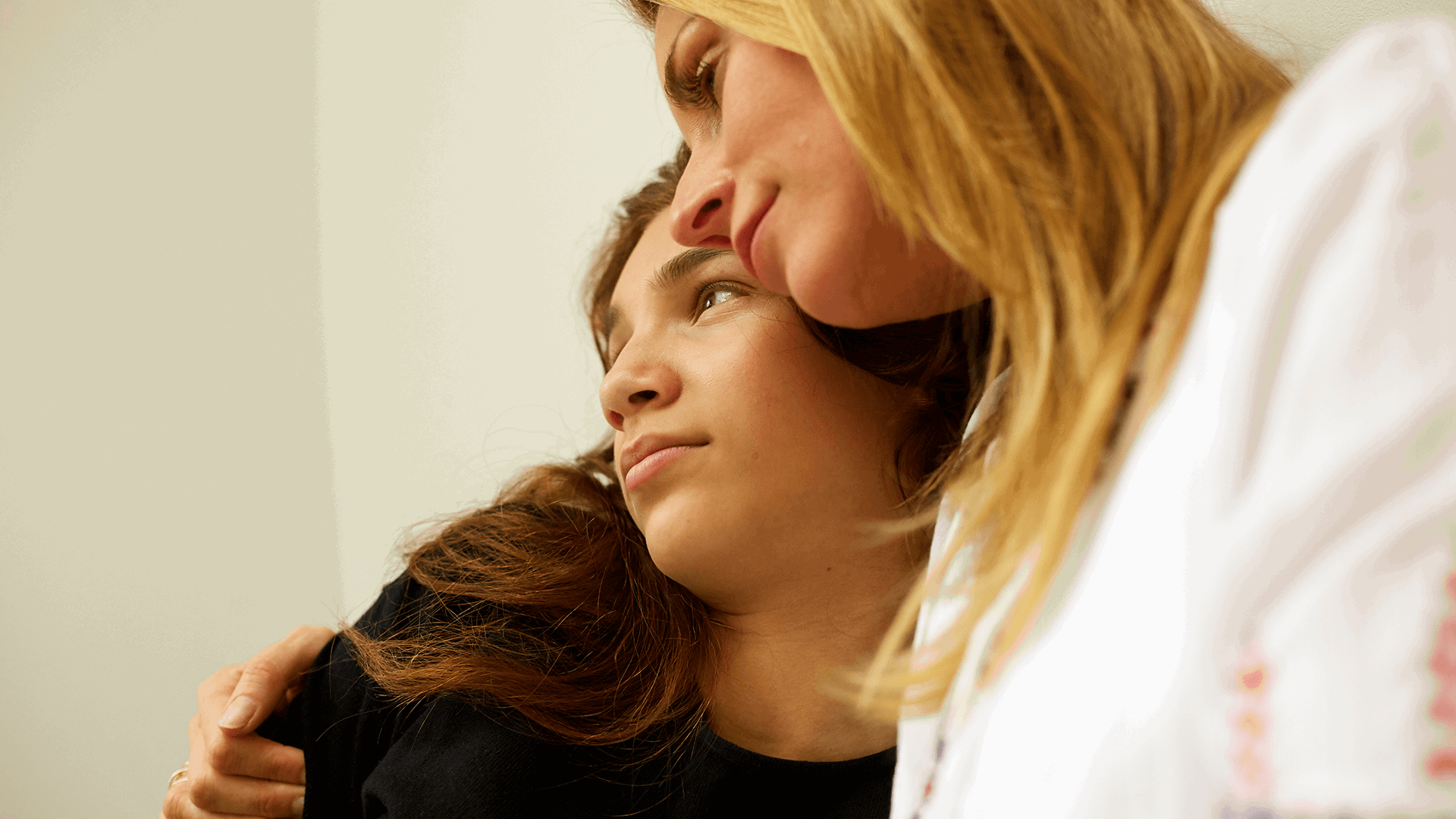
When someone dies suddenly, or in traumatic circumstances, children and young people can experience an intense sense of shock and fear. They may struggle to believe what has happened, feel emotionally numb, or seem disconnected from what’s going on around them.
In the days and weeks after a sudden death or traumatic loss, children often need support, reassurance and stability more than anything else.
If your child seems persistently overwhelmed, anxious, unable to function day-to-day, or is experiencing panic, flashbacks or ongoing distress, it can help to seek additional support from a GP or mental health professional.
You might also want to:
-
Hold and reassure them
Wrap your arms around them and tell them how much you love them. Let them know they’re not alone and you’re here for them.
-
Tell the people who need to know
Tell everyone who needs to know what’s happened, including someone at their school.
-
Help them meet their basic needs
Guide them through daily things like eating (even if it’s something small), drinking water, washing, keeping warm and getting some sleep.
-
Take care of their normal responsibilities
Let them continue with things like feeding and walking pets if they’d like to. But make sure they know they don’t have to do these things right now. Arrange for someone else to cover them if they’re worried about it.
-
Gently offer opportunities to talk
Create space for them to start talking when they’re ready, letting them speak as often and for as long as they need to.
Getting support with grief and loss
Grief can feel overwhelming. While family, friends and school can make a big difference, additional support can also help them process what has happened.
There are a range of organisations and services that offer bereavement support for children, young people and families.
Sometimes grief begins before a person has died. This can happen when a loved one is seriously ill or receiving end-of-life care. You might hear this being called anticipatory grief.
Children and young people may feel anxious, frightened, angry or confused during this time. Some may already begin grieving the changes happening within the family.
Pre-bereavement support can give young people space to:
-
talk through worries and fears
-
ask questions
-
understand what is happening
-
prepare for upcoming changes
Hospices, hospitals and bereavement organisations offer this kind of support. You can ask the professionals involved in your family’s care what’s available locally.
Bereavement counselling can help children and young people make sense of their feelings and experiences after a loss. Having a space outside the family to talk can feel easier.
Support could include:
-
one-to-one counselling
-
family support
-
group support with other bereaved young people
-
creative or play-based therapy
-
online or telephone support
You may be able to access support through organisations such as:
-
Winston’s Wish
-
Child Bereavement UK
-
Cruse Bereavement Support
-
Local hospices and community bereavement services
Grief can often become more difficult over time, or begin affecting mental health more significantly.
Longer-term counselling or therapy can help your young person process difficult emotions, understand trauma or anxiety linked to the loss, develop coping strategies, or feel more emotionally supported. It can be particularly useful after traumatic bereavement, suicide or multiple losses.
If you are worried about your child or young person’s mental health, it’s important to speak to your GP.
This can be especially important if your child is:
-
unable to function day-to-day
-
experiencing severe anxiety or panic
-
self-harming
-
talking about suicide
-
refusing school for a long period of time
-
struggling to sleep or eat
-
experiencing flashbacks or traumatic distress
Your GP can talk through what’s happening and help you access more specialist support if needed, including mental health services.
It’s also okay to ask for support for yourself. Supporting a grieving child, whether or not you are grieving yourself, can be exhausting. You don’t have to manage it alone.
Looking after yourself

Supporting a young person who is grieving can be a very emotional experience. Take time to look after yourself too. If you are also grieving, things may feel overwhelming at times. Allow space for your own grief. And remember that it’s okay to ask for help from family and friends when you need it.
If you need support with your own grief, or you’re struggling to cope, it’s really important that you get the help you need. This will make you more able to be there for your child. You can access counselling, helpline support and support groups via the grief services listed below.
Useful helplines and websites
While we take care to ensure that the organisations we signpost to provide high quality information and advice, we cannot take responsibility for any specific pieces of advice they may offer. We encourage parents and carers to always explore the website of a linked service or organisation to understand who they are and what support they offer before engaging with them.
-
YoungMinds Parents Helpline
We support parents and carers who are concerned about their child or young person's mental health. We can provide detailed information and advice, emotional support and signposting.
You can speak to us over the phone or chat to us online. When we’re closed, you can still leave us a message and we'll get back to you in 3-5 working days.
- Opening times:
- 9.30am-4pm on Mondays, Thursdays and Fridays; 9.30am-6pm on Tuesdays and Wednesdays
-
Hope Again
Cruse Bereavement Care’s website for young people experiencing grief.
Has lots of personal stories from young people who have lost someone, as well as information and advice.
- Opening times:
- 9:30am - 5pm, Monday - Friday
-
Cruse Bereavement Care
Support for anyone who is grieving. You can get help through their Helpline or access 1:1 sessions with a bereavement supporter.
- Opening times:
- 9.30am - 3pm, Monday to Friday
-
Grief Encounter
Supports children and young people through bereavement.
Free webchat service available.
- Opening times:
- 9am - 9pm, Monday - Friday
-
Marie Curie
Offers care, guidance and support for people living with any terminal illness and their families.
If English isn't you or your family's first language, they can provide an interpreter for over 200 different languages.
Free online chat service also available.
- Opening times:
- 8am - 6pm, Monday - Friday; 11am - 5pm, Saturdays; 10am - 4pm, Bank Holidays
-
Survivors of Bereavement by Suicide
Offers support for people over the age of 18 who have lost someone to suicide.
- Opening times:
- 9am - 9pm, Monday - Friday

This page was reviewed in June 2026.
It was created with a parent or carer with lived experience of supporting their child or young person with grief.
We will next review the page in 2029.
YoungMinds is a proud member of PIF TICK – the UK's quality mark for trusted health information.
Whether you love the page or think something is missing, we appreciate your feedback. It all helps us to support more young people with their mental health.
Please be aware that this form isn’t a mental health support service. If you are in crisis right now and want to talk to someone urgently, find out who to contact on our urgent help page.
At YoungMinds we take your privacy seriously. If you’d like to read more about how we keep the information we collect safe, take a look at our privacy policy.