

School plays a big part in your everyday life, so when things don’t feel right it can affect how you think, feel, and cope. You might be dealing with changes, heavy workloads, difficult relationships, or worries about the future. This guide is here to help you understand what you’re experiencing, find ways to manage school life, and know where to get support when you need it.
Coping with school transitions
Transitions at school can have a big impact on how you feel. This might be going back after the holidays, returning after some time out, or moving to a new school altogether. Even positive changes can bring up stress, worry, or mixed emotions.
If school feels unsettled right now, you’re not failing or doing something wrong. Transitions take time and there are ways to make them feel more manageable. Here are our tips to help you to settle in and adjust to changes:
Going back after the holidays can bring up lots of different feelings. You might feel excited, nervous, relieved, or wish you didn’t have to go back at all. You might be worried about:
- what school will be like when you return
- catching up with work or exams
- seeing friends again, or feeling lonely
- being bullied
- getting back into a routine
- being away from home
- staying safe at school and while travelling there
You might also be dealing with problems at home that make going back feel harder.
Things that can help when you’re going back:
- Write down your worries and hopes. Getting thoughts out of your head and onto paper can make them feel more manageable. You could share this with an adult you trust so they can help.
- Ask questions early. If you’re unsure about lessons, routines or expectations, ask a teacher or other member of staff – like someone in the pastoral team. They can explain things clearly and help stop your worries from building up.
- Prepare ahead of time. Packing your bag, laying out clothes or practising getting up earlier can help reduce stress on the first days back.
- Stick to a routine. When things feel uncertain, familiar routines can help your brain feel calmer. Work out a routine with an adult you trust and try to stick to it.
- Be patient with yourself. Remember that transitions take time. It’s okay if school doesn’t feel right straight away.
Whatever reason you’re changing schools – moving house, going to secondary school, college, or sixth form, or because of changes at home – moving to a new school can feel scary. For some, it might feel like a fresh start, but it’s also normal to worry about:
- fitting in or being bullied
- making new friends
- missing friends from your old school
- being the youngest in a big school
- finding your way around
- getting on with teachers and staff
- taking on more homework or new subjects
- new ways of learning
Feeling unsure in a new environment doesn’t mean you don’t belong – it just means you’re adjusting.
Things that can help you feel more settled:
- Plan your journey. Knowing how you’ll get to school can help you feel more confident and in control. Try walking the route beforehand or testing out your journey on public transport, perhaps with a parent or carer.
- Prepare what you’ll need. Different schools have different rules or expectations, so it’s okay to ask if you’re unsure what you need.
- Write things down. Keeping a note of your timetable and homework can help you feel calm and stay organised.
- Give friendships time. You don’t need to make friends straight away. It’s okay to take things slowly and see who you feel comfortable with.
- Set aside time for old friends. Changing schools can mean leaving people you care about behind. It’s normal to worry about losing touch. As well as making new friends, try to keep in touch with old ones and plan times to see them during weekends and holidays.
- Ask for support. Teachers, reception staff and school nurses are there to help. Some schools also have mentors or buddy systems. Don’t be afraid to ask for help with schoolwork or anything else you’re finding hard.
If you’ve been away from school because of a mental or physical health problem, going back can feel especially hard. You might want things to feel “normal” again but also feel anxious about how things will go.
You might be worried about:
- people asking questions
- catching up with work or falling behind
- getting back into school routines
- being bullied or treated differently
- people noticing scars or injuries
You don’t have to explain anything you don’t want to. How much you share, and who you share it with, is always your choice.
Things that can help when you’re returning:
- Plan what you want to say. If people ask questions, it can help to decide in advance what you’re comfortable sharing. You could practise what to say with someone you trust.
- Talk to your school before you go back. Letting staff know what you might find difficult can help them support you properly.
- Ask about flexible options. This could include returning gradually, having a reduced timetable, or being allowed extra breaks.
- Know where to go if things feel too much. Having a quiet space or a named staff member you can check in with can make school feel safer.
- Take things at your own pace. It’s okay if you don’t feel back to yourself straight away. Recovery isn’t something you rush.
Being suspended or excluded means you’re temporarily not allowed to go to lessons or activities at your usual school, and you have to stay at home. Permanent exclusion means you’re not able to return to your usual school at all.
Both situations can feel scary and overwhelming. But even if you’re excluded, you still have options and the right to an education. Sometimes, you might be offered a place in a pupil referral unit (PRU) – a type of school that provides extra support while you’re out of your usual school.
Things that can help when preparing to go back to school after an exclusion:
- Talk to a teacher you trust. Let them know how you’re feeling and ask for support catching up with schoolwork. They can also help you plan your day, check in on how you’re doing, and give advice if you’re feeling anxious about being back.
- Learn ways to manage your anger or frustration. Try strategies like walking away, taking a short break, or expressing your feelings calmly. Finding what works for you can help you stay in control and prevent situations from escalating.
- Avoid situations that could get you into trouble. If certain people or activities make things difficult, think about joining new clubs, trying different groups, or spending break times somewhere you feel more comfortable. This can help you focus on positive experiences while keeping yourself safe.
- Focus on moving forward. Holding onto anger or regret can make things feel worse. Instead, think about what you can do differently this time, what you want to achieve, and how to make school a more positive place for yourself.
- Apologise if needed. If you’ve hurt someone, saying sorry can help repair relationships and make things feel easier for you. You can’t control how they respond, but taking responsibility shows maturity and can help you move on.
If you’re permanently excluded
You won’t be able to go back to your usual school, but you’ll still have the right to an education. You may be offered a place at a PRU or another school, and support is available to help you adjust. Speak to a teacher or support worker at your school about how to cope and plan your next steps.
Living away from home at boarding school can bring up lots of different feelings. You might feel excited about the independence, but also homesick, lonely or anxious – especially at the start.
You might be worried about:
- being away from your family
- fitting in or making friends
- missing home comforts or routines
- coping on your own when things feel overwhelming
These feelings are common, and they don’t mean you’re not suited to boarding school. Adjusting to living somewhere new takes time.
Things that can help when you’re at boarding school:
- Try new activities. Learning new skills or joining in with activities can help build confidence and give you something positive to focus on.
- Stay in touch, but with balance. Keeping contact with home can be comforting, but spending all your time online can make it harder to settle in. Try to keep a good balance of communication with friends and family from home and spending time with your new friends.
- Create routines that help you feel grounded. Regular exercise, quiet time, or relaxing activities, like having a shower or listening to music, can help reduce anxiety.
- Join clubs or groups. Finding people with similar interests can make it easier to feel connected and less alone.
- Talk about how you’re feeling. If you’re struggling, speak to a trusted adult, house staff, or another support person at school. They can help you get support.

Managing school workload
Schoolwork can take up a lot of time and energy. Between lessons, homework, revision, and exams, it can sometimes feel hard to keep up – especially if you’re also dealing with things outside of school.
If your workload feels heavy, that doesn’t mean you’re lazy or failing. It usually means you need more support, clearer plans, or a different way of working. Here are some tips to support you:
It’s normal to feel like you’re falling behind sometimes, especially when lessons move quickly or topics feel tricky. Here are some tips to help you stay on track:
- Take notes in a way that works for you. That might be highlighting key points, drawing pictures, or summarising things in your own words.
- Ask questions. If you’re unsure, speak to your teacher or a classmate. Clarifying things early makes things easier to understand later on. And by asking, you’re helping the rest of the class learn too.
- Go over your notes each day. Going over notes for a few minutes each day can help you keep up without feeling overwhelmed.
- Work with others. Sometimes, studying with classmates can make lessons easier to follow and give you someone to check understanding with.

Homework can feel overwhelming, particularly if you’ve got other responsibilities, hobbies, or commitments outside of school. Here are some things to help you stay on top of it:
- Start small and build up. Break tasks into manageable steps and tackle the easier ones first. Focusing on one small part at a time can help you build confidence and gain momentum before moving on to trickier work.
- Write things down. Making a to-do list or checklist can help you see exactly what needs doing when, so you feel less overwhelmed. You can tick tasks off as you complete them to help you feel better about the progress you’ve made.
- Create a routine. Setting a regular time and space for homework each day can make it easier to keep on top of it.
- Ask for support early. If something isn’t clear, reach out to a teacher, parent or carer before it becomes stressful.
- Be honest about your circumstances. If you have responsibilities outside school – like caring for someone – let a teacher, tutor or support worker know. They can help you plan your work and make adjustments so it’s more manageable.
Sometimes schoolwork can start to affect your mood, sleep, or motivation. This doesn’t mean you’re failing – it’s a sign you need more support. If you notice that schoolwork is really getting on top of you, here are some things you can do to help:
- Talk to someone you trust. A teacher, tutor, or another adult at school can help you work out what’s manageable and offer practical support.
- Ask for help at home. Parents or carers can help you plan your tasks, prioritise what needs doing first, or find ways to make homework more manageable.
- Seek professional support if needed. If your workload is affecting your sleep, health, or wellbeing, a school nurse, GP, or counsellor can give guidance and help you cope.
- Take care of yourself. Make sure you’re eating regularly, exercising, getting enough rest, and making time for things you enjoy. Even small breaks can make a big difference.
Remember, needing support doesn’t mean you’re not capable. Reaching out early can make schoolwork feel more manageable and help you feel more in control.

Revision and exams
Revision and exams can bring a lot of pressure. You might worry about results, feel behind, or struggle to concentrate. For some young people, this stress can affect sleep, mood, confidence and day-to-day life.
Feeling this way doesn’t mean you’re not trying hard enough. If exams are starting to affect your mental health, you don’t have to cope alone. Our exam stress guide can help.

Getting on with people at school
School isn’t just about lessons and homework. It’s also about friendships, relationships, and the experiences you share with other people. Often these can be a really positive part of school life and help you feel supported and connected.
But relationships at school can also be complicated. Things like bullying, friendship problems, relationship worries, or feeling lonely can affect how you feel day-to-day and sometimes make school feel stressful or unsafe – especially when you can’t easily avoid the people involved.
If you’re finding friendships or relationships hard, these tips can help:
Friendships at school can be really important, but they can also be complicated. You might fall out with friends, drift apart, feel left out of group chats, or feel stuck in friendships that don’t feel good anymore. When you see the same people every day, even small issues can start to feel much bigger.
Not everyone finds it easy to make friends at school, and that’s okay. What matters most is having people who treat you with kindness and respect, even if that’s just one or two people you get on with.
If friendships are feeling difficult, our friendships guide has more support and advice.
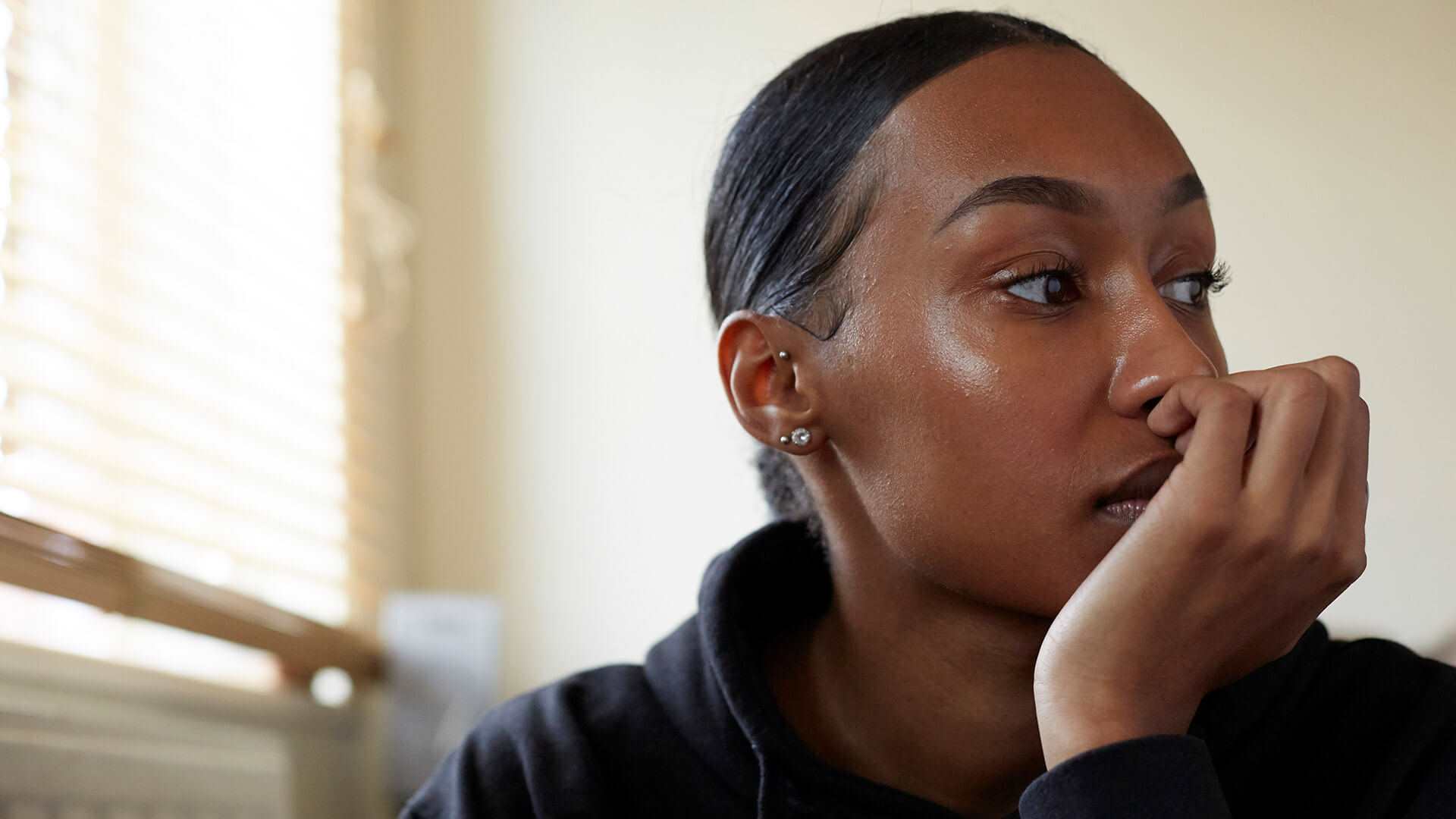
I truly felt the effects of social anxiety when I first started secondary school. The unwillingness to speak up for something as simple as attendance, the tendency to over-analyse every social interaction, and the persistent concerns about what-if scenarios when it came to situations like presentations followed me on a daily basis.
Relationships often start at school, and they can bring up lots of feelings – excitement, nerves, pressure, or confusion. You might be figuring out how to tell someone you like them, dealing with a breakup, or coping with rejection while still seeing that person in lessons or around school.
If relationships are affecting your school day, it can help to give yourself a bit of space when you need it, like sitting with different people or spending break times somewhere quieter. Talking to someone you trust about how things are feeling can also help, especially if it’s starting to affect your mood or concentration.
To understand more about healthy relationships, crushes, and breakups, visit our relationships guide.
Bullying can happen anywhere at school – in classrooms, corridors, playgrounds, group chats, online, or on the way to and from school. It might involve name-calling, rumours, threats, or physical harm. This can make you feel anxious, embarrassed, or scared to go into school.
But bullying is never your fault. And you have the right to feel safe at school.
If bullying is affecting you, it can help to tell a trusted adult, like a teacher, tutor, or someone at home. For more advice and support, see our guide.

Feeling lonely can affect how confident or motivated you feel, especially if it carries on for a while. It doesn’t mean there’s something wrong with you, and you’re not the only one who feels this way during school.
It’s possible to feel lonely at school even when you’re surrounded by people. You might feel like you don’t fit in, that no one really understands you, or that friendships feel distant or temporary.
If loneliness is affecting you, our guide can help.

Getting support at school
Sometimes, you might need extra support at school to manage. This could be support with your schoolwork, everyday life, or your mental health. Whatever you need, there are lots of ways to get help, and it’s always okay to ask.
If you’re struggling with how you feel, you don’t have to cope alone. Start by speaking to a trusted adult at school, like a form tutor, pastoral lead, school nurse, or the special educational needs coordinator (SENCO). They can connect you to support at school or help you get support from services outside of school if you need them.
Many schools have counsellors, educational psychologists, or pastoral teams who can provide guidance and support. They can offer a safe place to talk about your worries, feelings, or challenges without being judged, and give practical advice on coping with school, friendships, or life at home.
If you ever need urgent support, there are lots of services and helplines available 24/7 that can help.

Sometimes you might need extra help for your mental health from CAMHS (Children and Young People’s Mental Health Services). This is NHS specialist support for things like anxiety, depression, ADHD, and other mental health difficulties.
You’ll need a referral to CAMHS from your school or your GP. If you’re unsure whether you need CAMHS, talking to a teacher, school nurse, GP, or counsellor is a good first step. They can help you understand what’s available and how to access it.

Everyone’s brain works differently – this is called neurodiversity. For some people, things like reading, numbers, paying attention, or remembering instructions can be more challenging. This doesn’t mean you’re less capable, it just means you might need extra support in certain areas.
If you have dyslexia, autism, ADHD or a learning difficulty, and you’re finding it hard to keep up, it’s important to know you’re not alone. There are lots of ways your school and home can help you manage schoolwork and feel more confident:
- Getting assessed: If you think you might have dyslexia or another learning difficulty, you can speak to a teacher or another adult you trust. They can guide you through assessments and next steps. For an autism or ADHD assessment, you’ll need a referral to CAMHS.
- At school: Let your teachers know about your condition or learning difficulty. They can give you extra support, help you find strategies that work for you, offer more time for tasks, or adjust how you learn so it suits your strengths.
- At home: If you feel you can, talking openly with your parents or carers about what’s hard can make a big difference. They can help you plan homework, practise skills, or just be there to listen when things feel tricky.
Remember, you have the same rights as everyone else, and it’s against the law for anyone to treat you unfairly because of a condition or learning difficulty. You deserve to get the support you need to do your best and feel confident in school.
For more help, check out:
- The British Dyslexia Association – guidance and resources for dyslexia
- Mencap – information about learning difficulties
- Whizz-Kidz – advice and support for wheelchair users
- Gov UK – info about your rights under the Equality Act



Life beyond school
Finishing school can feel exciting, but it can also feel stressful. You might be thinking about taking a gap year, going to university, starting a job, or learning a new skill. Change can be good and open up new opportunities, but it’s also normal to feel unsure or anxious about what’s next.
Here are some common things you might worry about after leaving school, and ways you can get support.
Lots of young people feel pressure to decide their future, whether from parents, carers, teachers, or friends. But you don’t need to have your future planned out straight away. Many people change their minds or take time to figure out what feels right for them.
To help you feel less overwhelmed, it can help to:
- talk things through with a teacher, careers adviser, counsellor, or another adult you trust
- speak to friends who may be making similar decisions
- look for online information and advice about different options after school
- remember that it’s okay to change your mind or take time to decide
If your exam results aren’t what you hoped for, it can feel disappointing or upsetting. But it doesn’t mean you’ve failed, and it doesn’t decide the rest of your life.
Lots of people don’t get the grades they were aiming for and still go on to do well in their life and careers. There are always more options than it might feel like at first.
If you don’t get the results you want, it can help to:
- talk to your school or college about what options are available, like retakes, appeals, or different courses
- speak to a teacher or careers adviser about your next steps and what might suit you
- give yourself some time to process how you’re feeling before making any big decisions


Problems at home can make it harder to focus on your future. Things like being a young carer, family conflict, money worries, or not feeling supported can all affect how you feel about what comes next.
If home life is affecting your plans, you could:
- talk to a teacher, school counsellor, or pastoral staff about what’s going on
- reach out to a trusted adult outside school, like a family member or youth worker
- look for specialist organisations that support young carers or families


Thinking about jobs, careers, or earning money can feel like a lot of pressure. Many people don’t know what they want to do yet, and that’s completely normal.
It might help to:
- focus on the skills you’re building, not just job titles
- get advice about work, careers, and money through careers services or online guides
- remember that most people’s careers don’t follow a straight line


Going to university can feel like a big step. You might be looking forward to more independence and new experiences, but it’s also common to worry about leaving home, fitting in, or managing your mental health alongside studying.
If you’re heading to uni, our guide can help you think about:
- managing stress and workload
- settling into a new place
- looking after your mental health while studying.
Real stories about problems at school


Get help now
-
Childline
If you’re under 19 you can confidentially call, chat online or email about any problem big or small.
Sign up for a free Childline locker (real name or email address not needed) to use their free 1-2-1 counsellor chat and email support service.
Can provide a BSL interpreter if you are deaf or hearing-impaired.
Hosts online message boards where you can share your experiences, have fun and get support from other young people in similar situations.
- Opening times:
- 24/7
-
National Careers Service
Provides information, advice and guidance to help young people make decisions about learning, training and work.
Webchat available via the website homepage.
- Opening times:
- 8am - 10pm, 7 days a week
-
Youth Access
Provides information about local counselling and advice services for young people aged 11-25.
Put in your location and what you need help with into their 'Find help' search, and see what services are available in your area.


This page was reviewed in January 2026.
It was co-created with young people who've experienced problems at school.
We will next review the page in 2029.
YoungMinds is a proud member of PIF TICK – the UK's quality mark for trusted health information.
Whether you love the page or think something is missing, we appreciate your feedback. It all helps us to support more young people with their mental health.
Please be aware that this form isn’t a mental health support service. If you are in crisis right now and want to talk to someone urgently, find out who to contact on our urgent help page.
At YoungMinds we take your privacy seriously. If you’d like to read more about how we keep the information we collect safe, take a look at our privacy policy.