A young person alone and looking down at the ground.

Trauma

What is trauma?

Trauma is what can happen when you experience something very frightening, stressful or upsetting, which feels overwhelming or difficult to cope with.

It could be a one-off event, like an accident or an attack. Or it could be something that happens over a longer period of time, like abuse, bullying or living in an unsafe environment.

People sometimes use the words trauma and traumatic experience to mean the same thing. But a traumatic experience is the event itself, while trauma is the impact it can have on you afterwards. Trauma can affect anyone, at any age, and it isn't always immediate; it can surface a long time after the event has passed. 

Trauma can leave you feeling scared, unsafe, powerless, ashamed or overwhelmed. It can affect your thoughts, feelings, relationships and day-to-day life. But there are ways you can manage your trauma and support is available. Our guide is here to help.

Types of trauma and traumatic experiences

There's no set list of experiences that cause trauma – what's traumatic for one person might not feel the same for someone else. Trauma can affect an individual or a whole family, community or group of people all at once.

It also doesn’t have to be caused by something that’s happened to you directly. Trauma can happen if you witness something frightening, hear about something happening to someone close to you, or experience repeated exposure to other people's traumatic experiences (sometimes called 'vicarious trauma'). It can also develop from living through ongoing stress and uncertainty.

Here are some examples of experiences that can be traumatic:

  • abuse, violence or assault, including sexual abuse or sexual violence
  • bullying or harassment
  • an accident or injury
  • losing someone close to you
  • an illness or going through medical treatment
  • emotional abuse or gaslighting
  • war, conflict or terrorism
  • natural disasters
  • racism, discrimination or hate crimes
  • living in an unsafe or unstable environment
  • something that negatively affects a whole community
  • being treated badly by organisations, services or systems that are meant to support you
  • repeatedly hearing about or supporting people through traumatic experiences (sometimes called 'vicarious trauma')

Trauma and stigma

Not everyone understands trauma or how it can affect people. Sometimes, friends, family members, professionals or people online may say things that feel dismissive, judgemental or hurtful. For example, someone might:

  • tell you to "get over it" or move on
  • minimise what happened to you
  • judge the ways you've been coping
  • suggest that your experiences aren't serious enough to affect you
  • undermine how you’re feeling or reacting because the traumatic event hasn’t happened to you directly

Experiencing these reactions can feel upsetting and isolating. You might start to feel ashamed of what happened or blame yourself for how you're feeling. It may even stop you from reaching out for help.

But know that whatever your experience, your feelings are valid and you deserve support. Trauma affects everyone differently, and there is no right or wrong way to respond to a traumatic experience.

Specific types of trauma

Some experiences that cause trauma are grouped together and given specific names:

Childhood trauma is trauma that happens while you're growing up. This could include experiences like abuse, neglect, bullying, losing someone close to you, or living in an unsafe environment.

Experiences in childhood can affect your mental health and wellbeing later in life. But it doesn't mean you'll go on to experience mental health difficulties, or that everyone will be affected in the same way.

If something has happened that doesn't feel right, has left you feeling confused, or makes you feel unsafe, it's okay to talk to a trusted adult about it. You don't have to be certain that something bad has happened to ask for help or support.

For more support and advice, take a look at our guides.

Collective trauma is when a traumatic event affects a large group of people or a whole community, like a pandemic, war or the death of someone in your school.

When lots of people experience the same event, it can affect the way a community feels and responds. You might notice changes at school, in your local area or online as people try to make sense of what's happened.

Even when people go through the same event, everyone reacts differently. Some people may find it very upsetting, while others may not be affected in the same way.

Generational trauma (sometimes called intergenerational trauma) is when the impact of trauma continues to affect families, communities or groups across generations.

This can happen when the effects of past traumatic experiences continue to shape people's lives, relationships and sense of safety today.

Experiencing discrimination can be traumatic and can have a lasting impact on your mental health and wellbeing. This might include racism, homophobia, biphobia, transphobia, ableism, religious discrimination or other forms of prejudice.

You may hear the term racial trauma used to describe the impact that racism and racial discrimination can have on someone's mental health and wellbeing.

Experiencing discrimination can affect how safe, accepted and valued you feel. It can also affect your confidence, relationships and sense of identity.

Discrimination is never okay. If you've experienced discrimination, bullying or abuse because of who you are, it's important to remember that this is never your fault. We have advice in our guides that can help.

As a young, Disabled Black man, my journey through domestic abuse has been one of profound challenges and ultimate triumph.
Josiah

The impacts of trauma

Trauma can impact people differently. You might notice some effects straight away, while others may not show up until weeks, months or even years later. Everyone responds to trauma in their own way, but here are some ways it might show up for you.

When something feels dangerous, your brain and body automatically try to protect you. You might have heard this called the fight, flight or freeze response:

  • Fight – wanting to argue, defend yourself or take control
  • Flight – wanting to escape, leave or stay constantly busy
  • Freeze – feeling unable to move, speak or make decisions

But there are other responses too:

  • Flop – feeling overwhelmed, numb or disconnected from your body
  • Fawn – trying to please others to stay safe

These responses happen automatically. They're not something you choose to do – they’re a natural response to danger.

Even after the danger has passed, trauma can sometimes cause your brain and body to stay on high alert. This can cause physical symptoms which can last longer than a few minutes, or happen more than once, like:

  • a racing heart
  • fast breathing
  • dizziness
  • headaches or muscle tension
  • sweating
  • shaking
  • feeling sick
  • feeling numb or disconnected from your body

These symptoms are your body's way of trying to protect you, but it's normal for them to feel frightening.

Trauma can bring up lots of different emotions. You might feel:

  • anxious or scared
  • angry
  • sad
  • overwhelmed
  • helpless
  • guilty or ashamed
  • numb or disconnected from your feelings or body

You might also notice changes in the way you think or behave, like:

  • feeling constantly on edge or alert for danger
  • having flashbacks, where parts of the experience feel like they're happening again
  • having unwanted memories or intrusive thoughts
  • struggling with sleep or having nightmares
  • finding it hard to concentrate
  • having panic attacks
  • finding it difficult to remember things
  • losing confidence or needing more reassurance than usual

Some of the experiences can also be symptoms of PTSD or CPTSD. Find out more about these below.

Trauma can affect the ways you relate to other people. You might find it harder to trust people, especially if someone has hurt you in the past. You may feel distant from friends or family, struggle to talk about what you've been through, or worry that others won't understand.

This can feel lonely, but it doesn't mean you'll always feel this way. Supportive relationships can play an important role in helping you cope with the effects of trauma.

If you’re struggling with relationships, we have advice in our guides that can help.

Experiencing trauma can increase the risk of developing other mental health difficulties. This doesn't mean that everyone who experiences trauma will develop a mental health condition, but trauma can be linked to a range of mental health conditions, like:

Some people who experience trauma may also develop post-traumatic stress disorder (PTSD) or complex post-traumatic stress disorder (CPTSD). Find out more about these below.

If you're neurodivergent, trauma can affect you in ways that overlap with or intensify some of the experiences you already have. For example, you might feel more overwhelmed by sensory information, find it harder to manage your emotions, or struggle more with changes to your routine. If you’re neurodivergent and looking for support, we have guides that can help.

The effects of trauma can last a long time, but they don't have to last forever. The ways your brain and body respond to trauma are often survival strategies that once helped you cope with something very difficult. With time, support and the right help, many people find that these reactions become easier to manage.

For a very long time, I couldn’t say the word ‘trauma’. I couldn’t even write or type it. I felt guilty for the word even being associated with my experiences.
Kay, 20

Post-traumatic stress disorder (PTSD)

After experiencing trauma, some people can develop a mental health condition called post-traumatic stress disorder (PTSD). PTSD can happen after a single traumatic event or a series of traumatic events, but not everyone who experiences trauma develops it. 

Everyone’s experience is different, but the common symptoms of PTSD can be grouped into four main categories. These symptoms can start straight away, or they might not appear until weeks, months or even years later.

This is when memories of the trauma come back, even when you don't want to think about it. You might:

  • have flashbacks or nightmares
  • experience unwanted memories or intrusive thoughts
  • feel upset or frightened when something reminds you of what happened

You might try to avoid anything that reminds you of the trauma. This could include:

  • avoiding certain places, people or situations
  • not wanting to talk or think about what happened
  • keeping yourself constantly busy to distract yourself from difficult memories or feelings

PTSD can affect how you think and feel about yourself, other people and the world around you. You might:

  • feel anxious, sad, angry or emotionally numb
  • blame yourself for what happened
  • find it difficult to enjoy things you used to like
  • feel disconnected from other people
  • develop negative beliefs about yourself or your future

You may feel like you're constantly watching out for danger, even when you're safe. You might:

  • feel jumpy or easily startled
  • find it hard to relax
  • struggle with sleep
  • find it difficult to concentrate
  • feel constantly tense or on guard

Complex post-traumatic stress disorder

Complex post-traumatic stress disorder (CPTSD) includes the symptoms of PTSD, but it can develop after experiencing trauma over a long period of time. This might include experiences such as ongoing abuse, neglect, domestic abuse or repeated exposure to violence.

As well as the symptoms of PTSD, people with CPTSD may also:

  • struggle to manage strong emotions
  • feel intense shame, guilt or worthlessness
  • have a very negative view of themselves
  • find it difficult to trust other people
  • struggle to build or maintain relationships
  • feel disconnected from other people

Living with CPTSD can have a significant impact on daily life, and the experiences that come with it can often feel overpowering. Access to safe, trauma-informed support can help people manage symptoms and strengthen their sense of safety.

Find out more about treatment and support
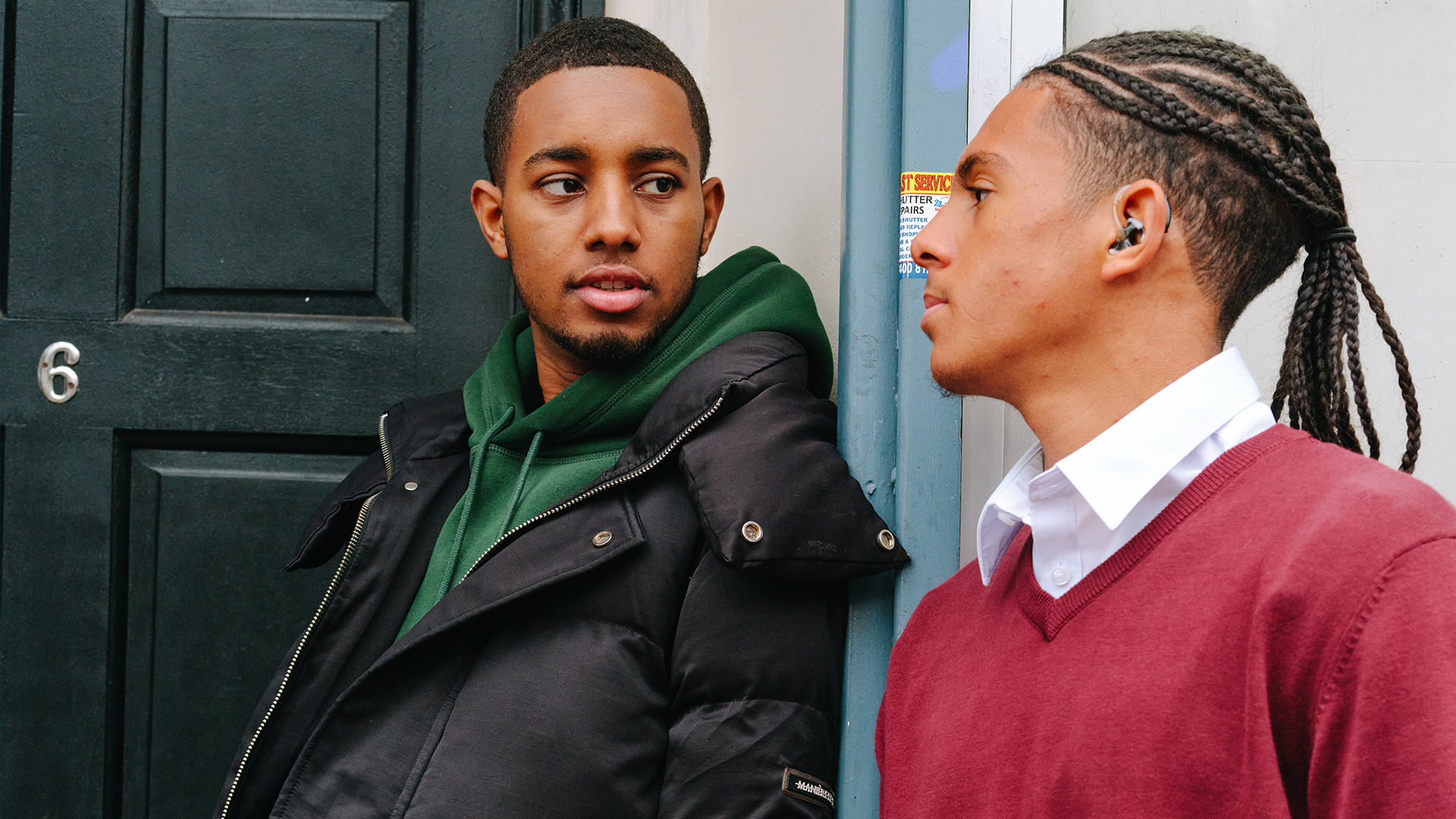
A young Black man standing outside a front door with a Black teenage boy wearing a hearing aid. They are talking together about something serious.
During times of doubt, I checked in with myself about how my childhood/current lifestyle felt to me. Ultimately, this inspired me to seek out therapy for CPTSD and gather additional resources to support my healing.

Looking after yourself if you’ve been impacted by trauma

Recovering from trauma can take time. Some days might feel easier than others, and you may find that difficult feelings come and go. While everyone's experience is different, there are things that can help.

Finding ways to cope straight after a traumatic experience

If you've recently experienced something traumatic, it can be hard to know what to do next. You might feel shocked, numb, overwhelmed or disconnected from what's happening. These can all be common reactions to trauma.

If you can, try to focus on these things first:

  • Keep yourself safe

    If you're in danger or you feel unsafe, try to move somewhere you feel more secure. This could be with a trusted adult, friend or family member, or somewhere away from the situation that's causing harm.

  • Get medical help if you need it

    If you've been physically hurt, or you're worried about your physical or mental health, seek medical help as soon as you can. If it's an emergency, call 999 or go to A&E. You can also contact NHS 111 for advice.

  • Look after your basic needs

    Trauma can make it difficult to eat, drink, rest or look after yourself. If you can, try to drink some water, eat something, and get some rest. Even small things can help your body and mind recover from a stressful experience.

  • Focus on your breathing

    Strong emotions can make your heart race and your breathing feel quicker or shallower. Try taking slow breaths in and out and focus on the feeling of your breath moving through your body.

  • Try grounding techniques

    Grounding techniques can help bring your attention back to the present moment. Try noticing five things you can see, four things you can feel, three things you can hear, two things you can smell and one thing you can taste.

  • Reach out to someone you trust

    Trauma can feel lonely, but you don't have to cope with it on your own. If you can, talk to someone you trust about how you're feeling or ask them for practical support.

Managing difficult feelings and reactions

Trauma can affect people in lots of different ways, but there are some common experiences. If you're struggling with any of the experiences below, these tips may help.

  • Remind yourself that you're safe and that the trauma isn't happening right now.
  • Hold or touch something that helps connect you to the present.
  • Look around and describe your surroundings to yourself.
  • Try counting objects, colours or sounds around you.
  • Focus on taking slow breaths in through your nose and out through your mouth.
  • Try grounding yourself by noticing what you can see, hear, touch, smell and taste.
  • Hold something comforting, like a soft toy or blanket.
Get more advice on panic attacks
  • Focus on your breathing.
  • Hold an ice cube or splash cold water on your face.
  • Touch something with an interesting texture or notice strong smells around you.
  • Remind yourself where you are and what day it is.
  • Remind yourself that you're safe when you wake up.
  • Keep a comforting object nearby.
  • Try a calming activity before going back to sleep.
  • Create a relaxing bedtime routine.
Get more advice on sleep problems
  • Talk to someone you trust – this could be in person or over text.
  • Write down your thoughts and feelings.
  • Spend time doing something creative or enjoyable.
  • Try to spend some time outside or connect with nature if you can.

Get more advice in our guides:

  • Hold an ice cube in your hand.
  • Squeeze a stress ball.
  • Distract yourself with a creative activity, like drawing or listening to music.
  • Go outside for a walk or exercise.
  • Reach out to someone you trust if you can.
Get more advice on self-harm

If you're having thoughts about ending your life, it's important to get support as soon as possible. You could:

If you're at immediate risk of harming yourself, call 999 or go to A&E.
You deserve support, even if you're not sure how serious your feelings are or you don't know how to explain them.

Get more advice on suicidal thoughts and feelings

Looking after yourself in the long term

Healing from trauma often takes time, but there are things you can do to support yourself. You may find that some things help more than others. Here are some tips you can try:

Certain people, places, smells, sounds or situations might remind you of what happened and bring up difficult feelings.

You may not always be able to avoid your triggers, but understanding what they are can help you prepare for and manage them when they happen. Keeping a diary of your moods and experiences may help you spot patterns.

Trauma can feel isolating, but you don't have to cope with it on your own.

You might find it helpful to talk to someone you trust, like a teacher, support worker, or faith leader. If you’d rather not speak to someone you know, you can always speak to a mental health professional like your GP, or call a helpline.

You don't have to talk about everything that happened if you're not ready. Sometimes it can help just to talk about how you're feeling right now.

Get more advice on reaching out for help

The journey of recovery isn't always a straight line. You might have good days and difficult days. Try not to put pressure on yourself to 'move on' or feel better by a certain time.

Activities that help you feel calm, grounded or creative can support your wellbeing.

This might include:

  • listening to music
  • drawing, painting or writing
  • gaming
  • spending time in nature
  • mindfulness or relaxation exercises
  • sport or movement

Trauma can disrupt everyday life and make it harder to do things that used to feel normal.

Having a routine can help create a sense of stability and make it easier to meet your basic needs, like eating, sleeping, moving your body and staying connected to other people. If it’s a new routine, this can help you adjust and not focus on the traumatic event.

Some people find it helpful to connect with others who have had similar experiences.

Peer support can help you feel less alone and remind you that other people understand what you're going through.

You can find local support groups through Hub of Hope.

Getting treatment and support

Not everyone who experiences trauma will need treatment. But if trauma is affecting your mental health, relationships, school, college, work or day-to-day life, getting professional support can help.

Here are some of the treatment and support options you might be offered:

Talking therapies can help you understand and process what you've been through with the support of a trained professional.

You don't have to talk about everything that happened straight away. A therapist can work with you at your own pace and help you find ways to manage difficult thoughts, feelings and experiences.

Get more advice on talking therapy

Some people find it difficult to put their experiences into words. Arts and creative therapies use activities like art, music, drama or movement to help you explore and express your feelings in a safe environment. You don't need any artistic experience to take part.

Medication won't make traumatic experiences disappear, but some people find it helps manage symptoms such as anxiety, depression or sleep problems.

If you’re offered medication, your doctor should explain:

  • why they're recommending it
  • how it might help
  • possible side effects
  • any other treatment options available

It's okay to ask questions and make sure you have the information you need before deciding what's right for you.

Get more advice on medications

How can I get support?

There are lots of ways to access support, including:

  • Your GP

    Speak to your GP about what you're experiencing. They can discuss treatment options with you and help you access support. They may be able to refer you to NHS mental health services, including specialist support for trauma, PTSD or other mental health difficulties.

  • School, college or university support

    Many schools, colleges and universities have wellbeing, counselling or mental health support services. Ask a teacher to help you find out what’s available, or search on your university’s website.

  • Specialist organisations

    Some organisations offer support for specific experiences, like abuse, bereavement, discrimination, violence or other forms of trauma. Take a look at the organisations and helplines that can help.

It might be a good idea to reach out for support if:

  • trauma is making it hard to cope with daily life
  • you're struggling to cope with difficult thoughts or feelings
  • you're having flashbacks, nightmares or panic attacks
  • you're finding it hard to look after yourself
  • you're using alcohol, drugs or self-harm to cope
  • you're worried about your mental health

You don't need to wait until things feel unbearable before asking for help. You deserve support whenever you're struggling.

Finding the right support can sometimes take time. Waiting lists, availability and finding a professional you feel comfortable with can all make the process feel challenging. If you need support while you wait, you can always contact an organisation or helpline.

Get help now

  • Childline

    If you’re under 19 you can confidentially call, chat online or email about any problem big or small.

    Sign up for a free Childline locker (real name or email address not needed) to use their free 1-2-1 counsellor chat and email support service.

    Can provide a BSL interpreter if you are deaf or hearing-impaired.

    Hosts online message boards where you can share your experiences, have fun and get support from other young people in similar situations.

    Opening times:
    24/7
  • Victim Support

    Offers support to anyone affected by crime; not only those who experience it directly, but also their friends, family and any other people involved.

    Live webchat service available.

    Offers specialist support for children and young people affected by crime through their website You & Co.

    Opening times:
    24/7
  • NAPAC (the National Association for People Abused in Childhood)

    Offers support to adult survivors of all types of childhood abuse, including physical, sexual, emotional abuse or neglect.

    Opening times:
    10am - 4pm, Monday, Wednesdays & Fridays; 2pm - 9pm, Tuesdays & Thursdays
  • LoveRespect

    LoveRespect is run by Women's Aid.

    It provides a safe, anonymous space, for 14-24 year olds to gain more understanding of healthy and unhealthy relationships.

    It offers resources for you and your friends if you’re experiencing domestic abuse, including identifying abuse, isolation, asking adults for help, mental health impacts, and more.

  • The Survivors Trust

    The Survivors Trust has 120 member organisations based in the UK & Ireland which provide specialist support for women, men and children who have survived rape, sexual violence or childhood sexual abuse. Find support in your area.

    Opening times:
    10am - 12:30pm, 1:30pm - 5:30pm and 6pm - 8pm (Monday - Thursday); 10am - 12:30pm and 1:30pm - 5:30pm (Friday); 10am - 1pm (Saturday); 5pm - 8pm (Sunday)
  • RoadPeace

    Provides information and support services to people bereaved or seriously injured in road crashes.

    Opening times:
    10am - 1pm, Monday - Friday
Patient Information Forum Trusted Information Creator (PIF TICK) logo

This page was reviewed in August 2026.

It was co-created by young people with lived experience of trauma.

We will next review the page in 2029.

YoungMinds is a proud member of PIF TICK – the UK's quality mark for trusted health information.

Whether you love the page or think something is missing, we appreciate your feedback. It all helps us to support more young people with their mental health.

Please be aware that this form isn’t a mental health support service. If you are in crisis right now and want to talk to someone urgently, find out who to contact on our urgent help page.

All fields marked with an asterisk (*) are required to submit this form.
Please copy and paste the page link here.
Please do not include personal details. This is not a mental health support service and you will not receive a reply.

Please note:

This form is not a mental health support service. We cannot reply to this. If you are at risk of immediate harm, call 999 and ask for an ambulance or go to your nearest A&E. If you are worried about your mental health, call: Childline (for under 19s) on 0800 11 11; or Samaritans on 116 123.

At YoungMinds we take your privacy seriously. If you’d like to read more about how we keep the information we collect safe, take a look at our privacy policy.

opens in new window